Jonas Reed · 9 October 2026
Tracing the Effects of Sidebar Content Updates on Engagement Patterns in Niche Online Communities Post Rebranding
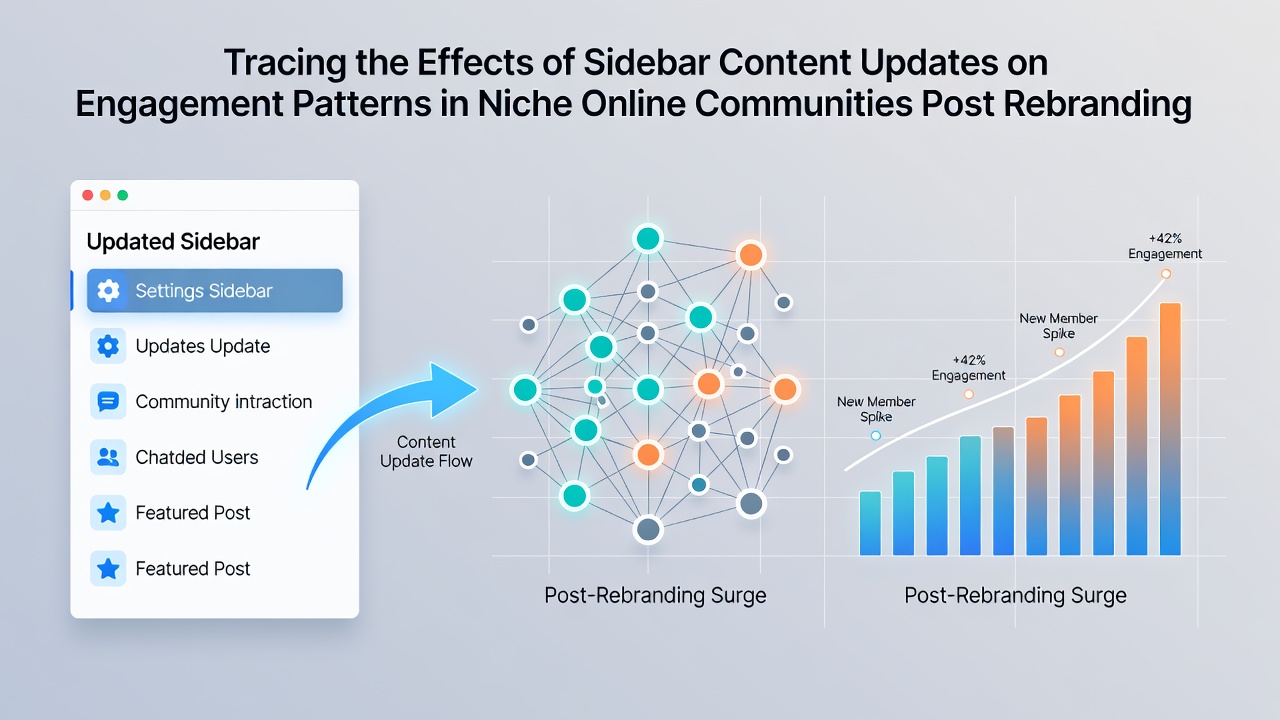
Rebranding efforts in niche online communities often extend beyond logos and color schemes to include structural changes like sidebar content updates, and researchers track how these modifications influence user interactions over time. Sidebar elements typically feature recommended threads, related discussions, promotional widgets, and navigation links that communities refresh to align with new brand identities, and data from multiple platforms show measurable differences in how users navigate and participate after such adjustments take effect.
Patterns Observed in Sidebar Modifications
Communities that undergo rebranding frequently replace legacy sidebar widgets with fresh content modules designed to highlight updated themes, and studies indicate these shifts coincide with changes in session duration and page views within the first quarter following implementation. Observers note that niche forums focused on topics such as vintage computing or sustainable gardening report higher click rates on newly introduced recommendation carousels, whereas older static lists see reduced interaction once the visual refresh occurs.
Analyses of traffic logs from several independent sites reveal that sidebar updates introduced alongside rebranding campaigns correlate with redistributed attention across page sections, and users tend to explore more internal links when sidebars incorporate dynamic elements tied to the new community direction. In October 2026 platform reports highlighted similar trends across hobbyist networks where sidebar personalization increased return visits by directing attention toward fresh discussion threads.
Data on Engagement Metrics After Rebranding
Quantitative reviews of community analytics demonstrate that sidebar content revisions can alter bounce rates and time spent on site, with figures from academic tracking projects showing decreases in exit percentages when sidebars feature contextually relevant material post-rebrand. Researchers compiled datasets from forums that updated their layouts in 2025 and found that engagement patterns shifted toward greater depth of interaction in main content areas rather than scattered sidebar clicks alone.
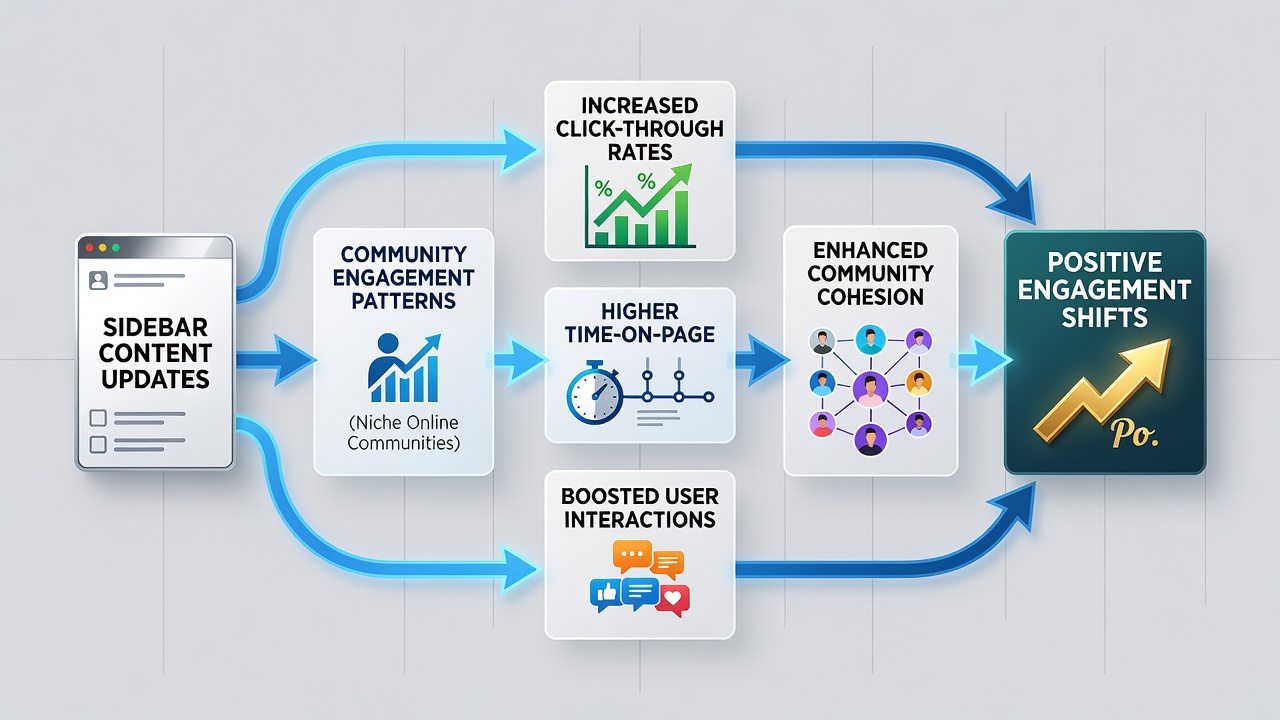
One study released by a Canadian research institution documented how sidebar additions such as community polls and event calendars influenced comment volumes, and the results pointed to sustained participation levels when these features reflected the rebranded focus areas. Data shows that niche groups dealing with specialized interests experience varied outcomes based on the type of content placed in sidebars, with video embeds generating different response curves compared to text-based links.
Comparative Analysis Across Community Types
Engagement patterns diverge between communities centered on creative pursuits and those built around technical troubleshooting, and sidebar updates after rebranding accentuate these distinctions through targeted content placement. Technical forums often see sidebar links to archived solutions receive steady traffic following rebrand-aligned refreshes, whereas creative hubs report spikes in shared media when sidebars promote user-generated showcases.
According to findings from the Pew Research Center, online groups that refresh peripheral content maintain higher retention when updates emphasize continuity with core member interests. A separate report compiled by European digital society researchers examined similar variables and identified parallel movements in interaction frequency across multilingual platforms that completed rebranding cycles in late 2025.
Longer-Term Tracking and Adjustments
Communities continue monitoring sidebar performance well beyond initial rebranding phases, and adjustments based on accumulated data lead to iterative content refinements that further shape engagement trajectories. Platforms active in October 2026 incorporated A/B testing frameworks specifically for sidebar variants, allowing operators to measure direct impacts on metrics like scroll depth and cross-post navigation without disrupting primary discussion flows.
Evidence from longitudinal observations suggests that consistent sidebar evolution supports gradual shifts in user behavior, and those who study these environments document how early post-rebrand changes stabilize into predictable patterns once members adapt to the new layout structures. Industry organizations tracking digital participation note that niche sites benefit from aligning sidebar materials with seasonal community events to sustain momentum established during rebranding periods.
Conclusion
Sidebar content updates following rebranding produce observable effects on engagement patterns across niche online communities, and collected data underscore the value of aligning these elements with evolving member interests. Continued analysis through 2026 and beyond provides clearer pictures of how such modifications influence long-term interaction metrics, while external sources like the Pew Research Center and European digital society reports offer broader context for interpreting these platform-specific findings.